
Invasive Species Management Plans Explained
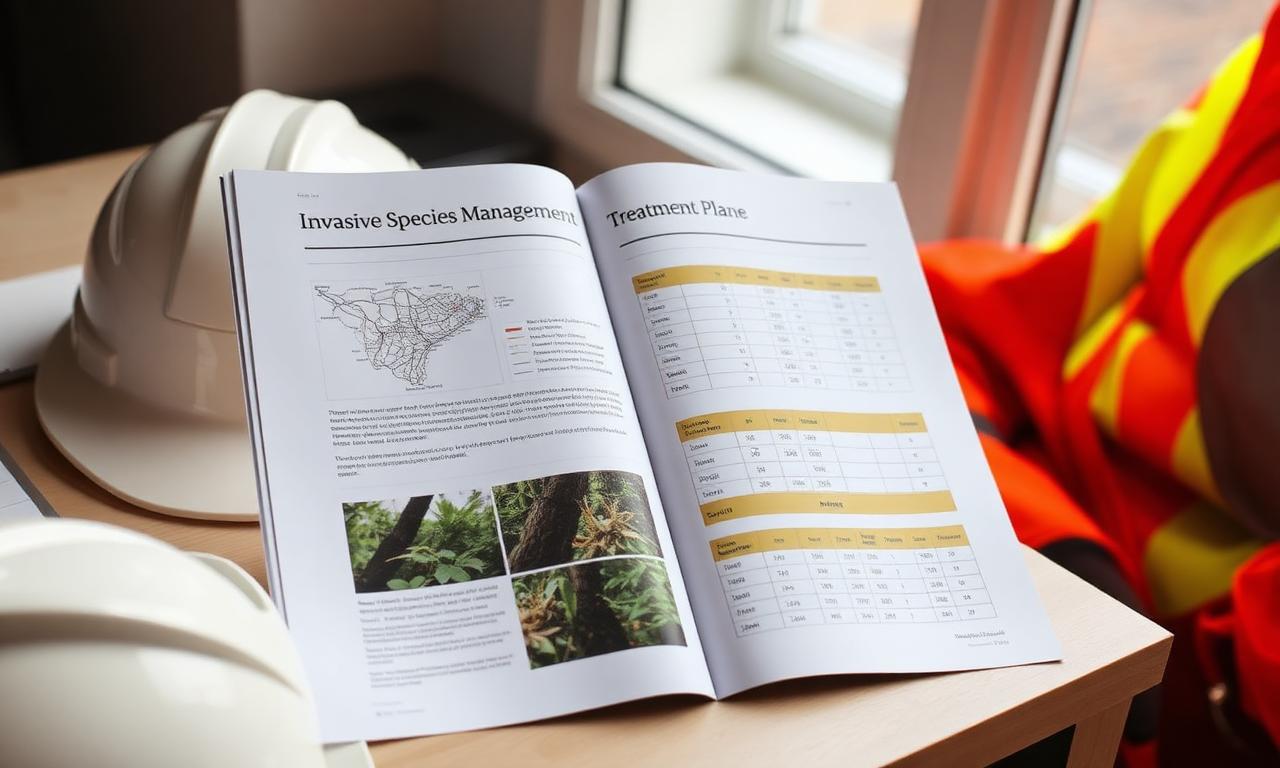
Most London property owners first hear the phrase 'invasive species management plan' when their planning application stalls or their lender asks for one. The document feels bureaucratic until you understand what it actually does: it converts a knotweed problem from an open-ended liability into a contractually controlled, insured, time-bound treatment programme.
What an ISMP Contains
A complete plan identifies every invasive species on site, classifies the risk, specifies the treatment methodology and visit schedule, sets out the disposal route for any excavated material, and locks in the monitoring period. It is signed, dated and version-controlled.
Why London Planning Officers Demand Them
Disturbing soil contaminated with knotweed rhizome can cause an offence under the Environmental Protection Act 1990. Boroughs across London now attach planning conditions requiring an approved ISMP before any ground is broken on sites where knotweed has been recorded.
How the Plan Protects Property Value
Banks and building societies will not lend on uncontrolled knotweed. They will lend on knotweed under a written ISMP with an insurance-backed guarantee. The plan is the document that restores mortgageability.
Multi-Species Plans
A single plan can cover knotweed, giant hogweed, Himalayan balsam, bamboo, buddleia and other Schedule 9 species. For development sites this is far cheaper than commissioning separate plans per species.
Plan Lifecycle
Drafted from a survey, approved by the planning authority or lender, executed by the contractor over 3 to 5 growing seasons, monitored for a further 1 to 2 years, then closed out with a final compliance certificate.
Cost and Timeline
Plan drafting alone: £350 to £600. Drafted within 5 to 7 working days of the survey being completed. The plan is then valid for the full duration of the treatment and monitoring programme.
Need help?