
The Seasonal Knotweed Treatment Guide for London Properties
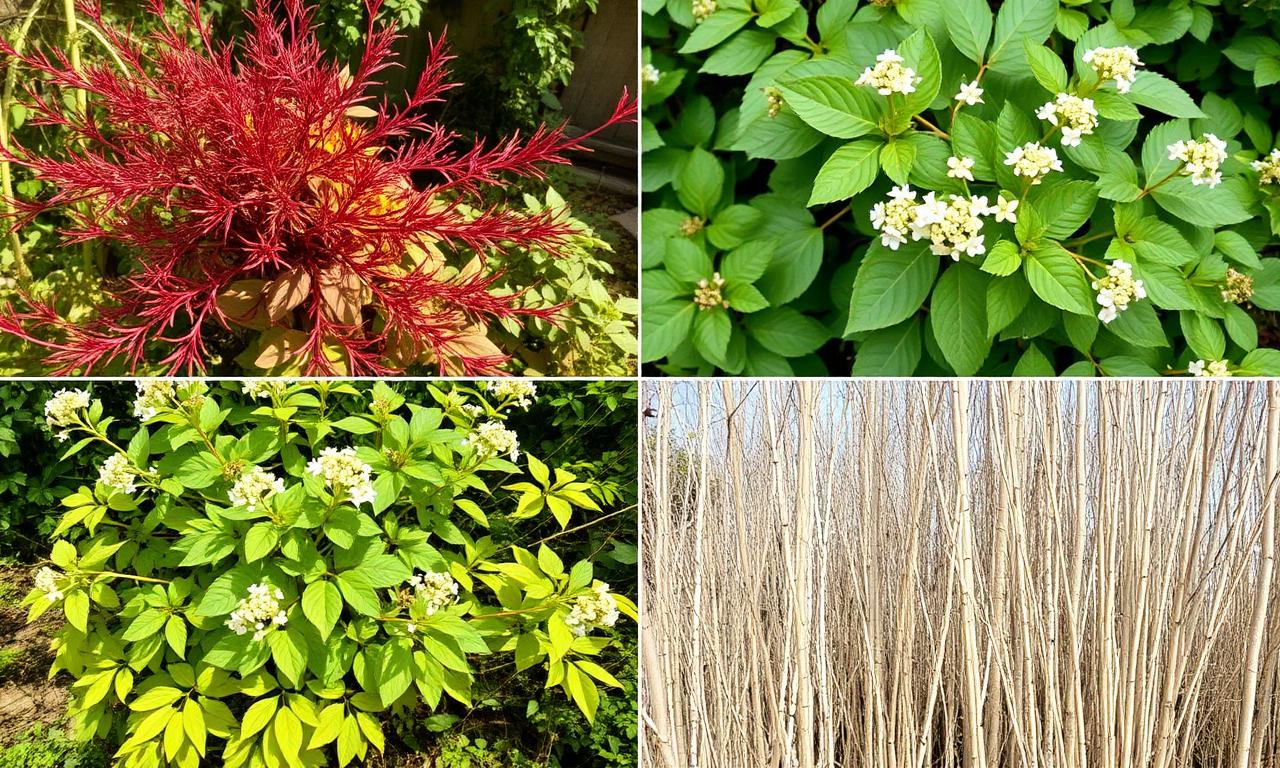
Japanese knotweed treatment is dictated by the plant's growth cycle, not by the homeowner's calendar. Treating at the wrong time of year wastes herbicide, prolongs the programme and risks allowing the rhizome to recover. This month-by-month guide explains when each intervention works best in the London climate.
January – February: Planning Window
Above-ground growth is dormant. This is the ideal time to commission surveys, finalise management plans and book contractors for the year ahead. Many London specialists offer winter discounts of 10–15% on survey fees.
March – April: First Survey of the Season
Red shoots emerge from late March. This is the best time to confirm presence on properties where winter identification was uncertain. No herbicide application yet, the plant is still drawing on rhizome reserves rather than translocating downwards.
May – June: First Foliar Application
Canes are 1 to 2 metres tall and producing the broad leaves needed to absorb herbicide. The first foliar spray of the season is typically applied between mid-May and late June, when the leaves are large but the plant is still actively growing rather than flowering.
July – August: Stem Injection Window
For mature stands, stem injection delivers concentrated glyphosate directly into the hollow canes. July and August are the optimal months because the plant is actively translocating sugars (and therefore herbicide) down to the rhizome.
September – October: Second Foliar Application
As the plant prepares for dormancy, it pulls nutrients down into the rhizome, taking herbicide with them. A second foliar application in September or early October is one of the most effective treatments of the entire season.
November – December: Site Inspection
Final inspection of the year. Contractors check cane height, density and regrowth pattern to plan the following season. No further herbicide until spring.
Multi-Year Outlook
Year 1: dramatic reduction in cane height. Year 2: sparse, weak growth. Year 3: rare or absent regrowth. Years 4–5: monitoring only. Most London programmes complete within 3 growing seasons followed by 1–2 monitoring years before the guarantee finalises.