
Knotweed vs Bindweed: Spotting the Difference
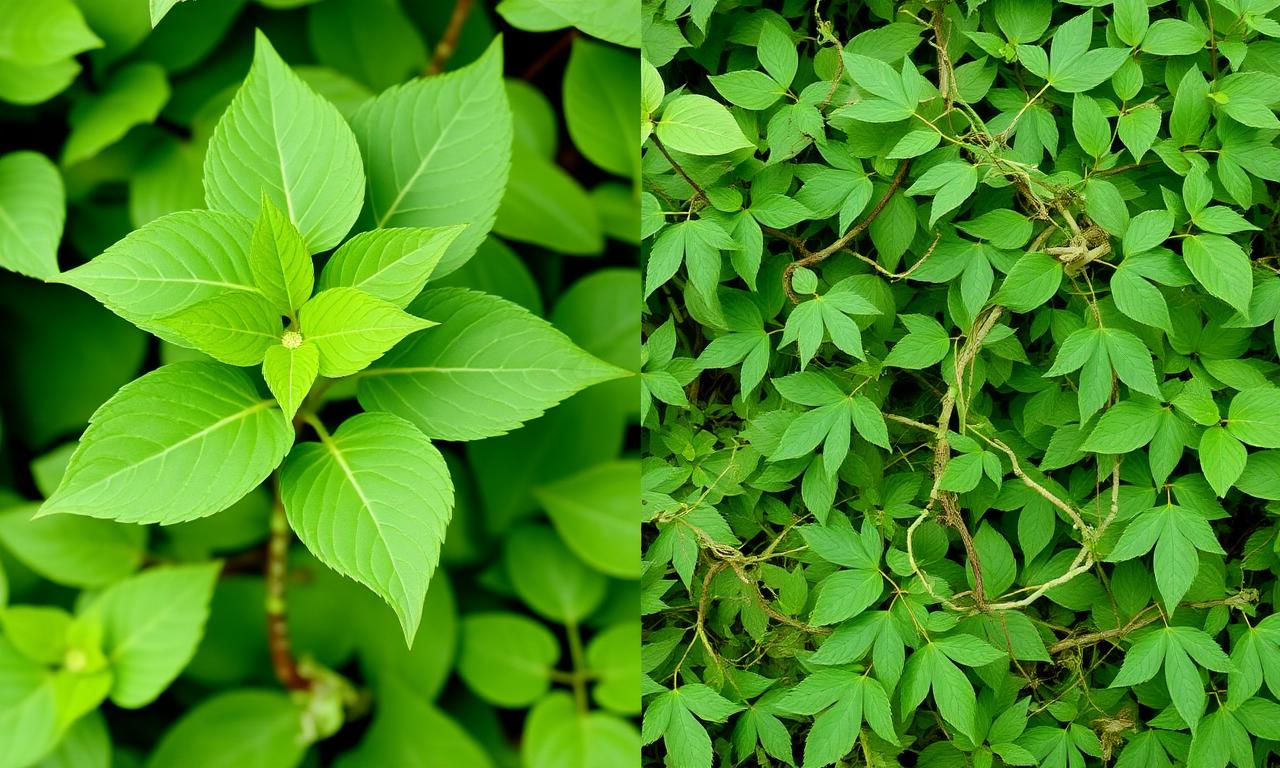
Bindweed is the plant most often mistaken for Japanese knotweed in London gardens, and the confusion costs homeowners thousands in unnecessary surveys every year. The two plants look superficially similar at a glance, broad green leaves, vigorous growth, the tendency to appear suddenly in spring, but they are easy to tell apart once you know what to look for.
Growth Habit
Knotweed grows upright as bamboo-like canes 1.5 to 3 metres tall. Bindweed climbs and twines, wrapping itself around fences, shrubs and other plants. If your suspect plant is twining around something, it is not knotweed.
Leaf Shape
Knotweed leaves are flattened heart-shaped or shield-shaped with a pointed tip and smooth edges, arranged in a zig-zag pattern. Bindweed leaves are arrow-shaped with backward-pointing lobes at the base. The arrow-shape is the giveaway.
Flowers
Knotweed produces sprays of small creamy flowers in late summer. Bindweed produces large white or pink trumpet-shaped flowers throughout summer. Trumpet flowers are bindweed, every time.
Cane vs Stem
Knotweed has hollow, segmented canes with a bamboo-like appearance. Bindweed has thin, flexible green stems that wrap and climb.
What to Do If You're Still Unsure
Photograph the plant in summer with both leaves and stems visible, and email a knotweed specialist for a preliminary opinion before commissioning a full survey.